Kenya

Kenya

Sunday, January 30, 2011

Foods that Promote Happiness- by Dr. Maoshing Ni

Buzz up!


Dr. Mao's Secrets of Longevity

If you’re feeling as blue as the skies above, you will be happy to know that a few spoonfuls of the right foods may turn that frown upside down! Whole foods contain vital nutrients that provide both physical and psychological benefits. Read on to discover which foods contain those mood-boosters to help you smile your way to longevity.

Fun with Folate
Eat folate-rich foods: Leafy greens like kale, broccoli, spinach, asparagus, turnip greens, bok choy, legumes, sunflower seeds, oranges, melons, beets, and fortified whole grains
http://health.yahoo.net/yahoohealth/images/temp/adm_happyfoods.jpg
Why? Folate, also know as folic acid, is a water-soluble vitamin that is necessary for cell division, DNA synthesis, and healthy blood cell production. Research at the University of York and Hull York Medical School has found a link between depression and low levels of folate. The recommended daily allowance (RDA) for men and women is 400 micrograms and 600 micrograms for pregnant women. To keep you smiling, increase your intake of folate-rich foods. A cup of cooked lentils provides 90% of the RDA of folic acid. Plus, the fiber and protein will satisfy you longer, stabilize blood sugar, and also promote a better mood. Additional bonuses: Folate can also decrease homocysteine, an amino acid that is linked to heart disease. Low levels of folate can cause anemia, while pregnant women must increase their folate levels to prevent fetal neural tube deficiencies.


Boost Your B6
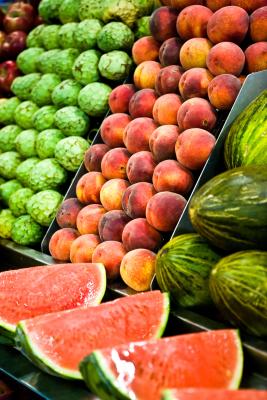
Eat B6 foods: bananas, chicken breast, garlic, Brussels sprouts, collard greens, sunflower seeds, broccoli, red bell peppers, watermelon, avocados, and potatoes

http://static.howstuffworks.com/gif/watermelon-3.jpg
Why? Vitamin B6 plays a role in red blood cell metabolism, protein metabolism, and synthesis of neurotransmitters serotonin and dopamine. It also helps maintain healthy blood sugar levels, and increases the amount of oxygen carried to your tissues. Low levels can lead to an increase of homocysteine, anemia, headaches, and depression. The RDA for adults from age 19 to 50 is 1.3 mg/day and approximately 1.6 mg for individuals over 50. The next time you’re feeling down, grab a banana and munch your blues away!


Go Fish!
Eat omega-3-rich foods: fish like salmon, sardines, mackerel, anchovies, and herring, flaxseeds, walnuts, and algae

http://images.nationalgeographic.com/wpf/media-live/photos/000/006/cache/river-catfish_693_600x450.jpg
Why? DHA omega-3 essential fatty acid maintains healthy brain function and is vital for fetal brain and eye development. Current research also demonstrates the association between intake of omega-3 fatty acids and depression. A meta-analysis study published in the Journal of Clinical Psychiatry found that depression was significantly improved in patients with unipolar and bipolar disorders after taking three daily fish capsules for eight weeks. Eat the oily fish listed above -- a 3-ounce serving of salmon contains between 1.1 - 1.9 grams of omega-3 fatty acids. Supplementing with high quality fish oil capsules may be an alternative if you don’t consume fish on a regular basis. Vegetarian sources of omega-3 can be found in flaxseeds, walnuts, and algae. Toss a tablespoon of sunflower seeds or walnuts into a creamy cup of unsweetened low-fat yogurt for a mega mood boost!
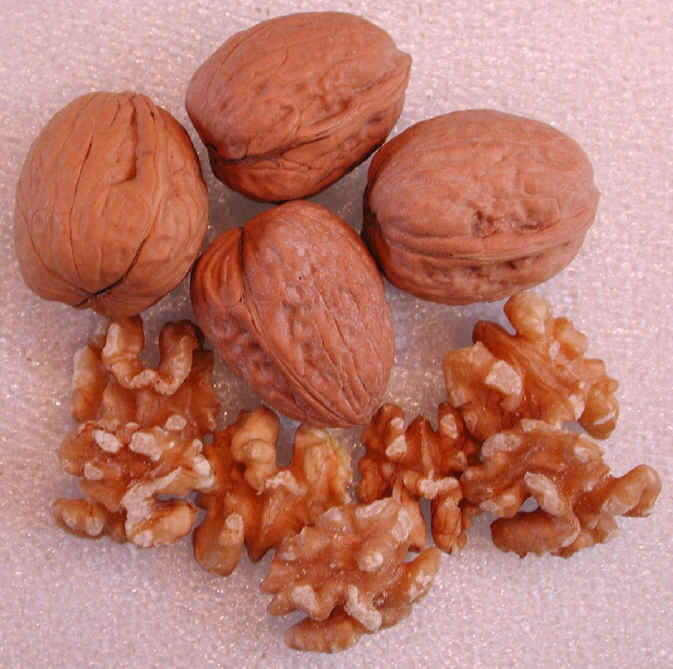
http://www.all-creatures.org/recipes/images/i-walnuts-shell.jpg

Good Carbs, Bad Carbs 
Eat good carbs: whole grains, fruits, vegetables

http://healthyfoodblog.files.wordpress.com/2010/01/whole-grains.jpg
Why? Not all carbohydrates are created equal. Whole grains, fruits, and veggies supply us with prolonged energy, fiber, and multiple nutrients that our bodies need for optimal health. Good quality carbohydrates can also trigger serotonin synthesis. Recognized as the “happy hormone,” serotonin is an important neurotransmitter that affects our mood and sleep. The next time you feel blue, instead of reaching for that bag of chips or sugary cookies, opt for unrefined, unprocessed carbohydrates that will provide you with sustained energy and an improved mood. Toss that muffin and enjoy a whole grain cracker with a tablespoon of natural nut butter for a delicious and uplifting snack!


You can find many more ways to live to 100 in Secrets of Longevity: Hundreds of Ways to Live to Be 100, which is now available on Kindle. Also, check out my new book Secrets of Longevity 8-Week Program, a journal that offers the best healthy habits to live to 100.

I hope you eat foods for many long, happy years. I invite you to visit often and share your own personal health and longevity tips with me.
May you live long, live strong, and live happy!
—Dr. Mao

The 10 best foods for your heart

Oatmeal


Start your day with a steaming bowl of oats, which are full of omega-3 fatty acids, folate, and potassium. This fiber-rich superfood can lower levels of LDL (or bad) cholesterol and help keep arteries clear.

Opt for coarse or steel-cut oats over instant varieties—which contain more fiber—and top your bowl off with a banana for another 4 grams of fiber.

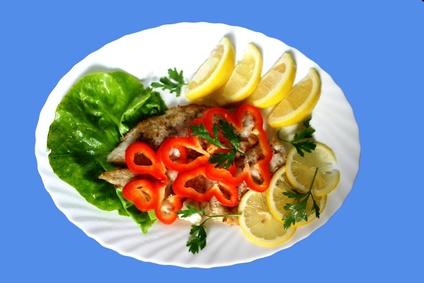
Salmon

http://culture.spalaska.com/wp-content/uploads/2010/12/salmon451.jpg


Super-rich in omega-3 fatty acids, salmon can effectively reduce blood pressure and keep clotting at bay. Aim for two servings per week, which may reduce your risk of dying of a heart attack by up to one-third.

"Salmon contains the carotenoid astaxanthin, which is a very powerful antioxidant," says cardiologist  Stephen T. Sinatra, MD, the author of Lower Your Blood Pressure In Eight Weeks. But be sure to choose wild salmon over farm-raised fish, which can be packed with insecticides, pesticides, and heavy metals.

Not a fan of salmon? Other oily fish like mackerel, tuna, herring, and sardines will give your heart the same boost.

Avocado

http://www.ifood.tv/files/images/avocado.jpg


Add a bit of avocado to a sandwich or spinach salad to up the amount of heart-healthy fats in your diet. Packed with monounsaturated fat, avocados can help lower LDL levels while raising the amount of HDL cholesterol in your body.

"Avocados are awesome," says Dr. Sinatra. "They allow for the absorption of other carotenoids—especially beta-carotene and lycopene—which are essential for heart health."

Olive oil


http://kanakis.rethymnon.com/manybottles01BTr01.gif


Full of monounsaturated fats, olive oil lowers bad LDL cholesterol and reduces your risk of developing heart disease.

Results from the Seven Countries Study, which looked at cardiovascular disease incidences across the globe, showed that while men in Crete had a predisposition for high cholesterol levels, relatively few died of heart disease because their diet focused on heart-healthy fats found in olive oil. Look for extra-virgin or virgin varieties—they're the least processed—and use them instead of butter when cooking.

Nuts

http://limana.files.wordpress.com/2008/11/champion_nuts.jpg


Walnuts are full of omega-3 fatty acids and, along with almonds and macadamia nuts, are loaded with mono- and polyunsaturated fat. Plus, nuts increase fiber in the diet, says Dr. Sinatra. "And like olive oil, they are a great source of healthy fat." 

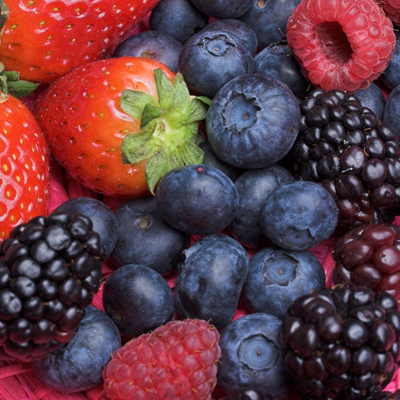
Berries

http://img2.timeinc.net/health/images/slides/berries-heart-400x400.jpg?xid=yshin-hlh-heartfoodsimage2

Blueberries, raspberries, strawberries—whatever berry you like best—are full of anti-inflammatories, which reduce your risk of heart disease and cancer.

"Blackberries and blueberries are especially great," says Sinatra. "But all berries are great for your vascular health."

Legumes

http://womeninspirations.com/wp-content/uploads/2009/07/legumes.jpg

Fill up on fiber with lentils, chickpeas, soy beans and black and kidney beans. They're packed with omega-3 fatty acids, calcium, and soluble fiber.


Spinach

Spargo spinach


Spinach can help keep your ticker in top shape thanks to its stores of lutein, folate, potassium, and fiber.
But upping your servings of any veggies is sure to give your heart a boost.  The Physicians' Health Study examined more than 15,000 men without heart disease for a period of 12 years. Those who ate at least two-and-a-half servings of vegetables each day cut their risk of heart disease by about 25%, compared with those who didn't eat the veggies. Each additional serving reduced risk by another 17%.

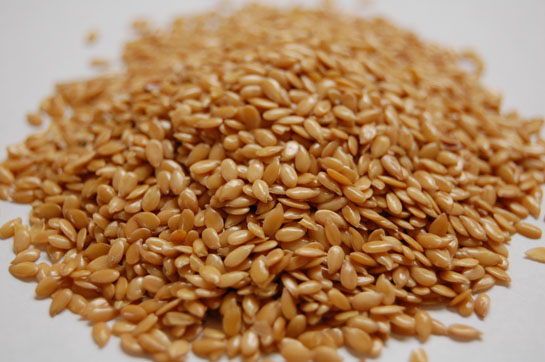
Flaxseed

ng_flax

Full of fiber and omega-3 and omega-6 fatty acids, a little sprinkling of flaxseed can go a long way for your heart. Top a bowl of oatmeal or whole-grain cereal with a smidgen of ground flaxseed for the ultimate heart-healthy breakfast.

Soy

https://blogger.googleusercontent.com/img/b/R29vZ2xl/AVvXsEjfdaEo3wYKewGDUKWJj9_-pdYl2dPXp-zjCDqVWmhxxvDRel1uAEESHzYoumRhQPxEsWznQu1D5KNN7FjlIibF09Je57USTAlp3QpIfBDRhgwNVRQGWjpvNQ_DXKw9-aJZNnQ0lF1Eg6A/s1600/edamame.jpg

Soy may lower cholesterol, and since it is low in saturated fat, it's still a great source of lean protein in a heart-healthy diet. Look for natural sources of soy, like edamame, tempeh, or organic silken tofu. And soy milk is a great addition to a bowl of oatmeal or whole-grain cereal. But watch the amount of salt in your soy: some processed varieties like soy dogs can contain added sodium, which boosts blood pressure.

Saturday, January 29, 2011

America’s Worst Health Habits -- Is Yours Among Them?


http://www.ivstatic.com/files/et/imagecache/636/files/slides/slide-1-empty-gym-636.jpg 
We Aren’t Exercising

Losing weight nearly always tops the list of New Year's resolutions. But it's tough to lose or maintain your weight if you're not exercising. And few of us are. A new report reveals only 5 percent of Americans get regular, vigorous exercise. This inactivity isn't just bad for our waistlines, it's bad for our health. Dubbed Sedentary Death Syndrome, dozens of studies now show that lack of exercise more than doubles the risk of obesity, diabetes and heart disease, says Stephen Sinatra, M.D., an assistant professor of medicine at the University of Connecticut.
Fix: People are twice as likely to succeed at making exercise part of their daily lives if they start with smaller, simpler workouts instead of high-intensity sessions, explains Dr. Sinatra. That can mean a 10-minute stroll each day. Follow that formula for a few weeks, he suggests, then add a bit more time each week until you work up the stamina to stride for 30 minutes daily. Eventually, you may want to increase your pace to jog or run. But even a regular walk at a brisk pace can provide health, and weight-loss, benefits.

http://www.ivstatic.com/files/et/imagecache/636/files/slides/2-healthy-choice_0.jpg

We’re Forgetting Our Five-a-Day

Including five servings of nutrient-rich fruits and veggies in your daily diet has been shown to slash a person’s blood pressure by 11 points, plus cut your risk of a heart attack, stroke, and even cancer by up to 30 percent, say Yale researchers. (A piece of fruit, like an orange or apple, counts as one serving, as does a half-cup of vegetables like baby carrots, corn, or peas.) But most Americans are only consuming about two servings daily, a shortfall that’s sickening up to 400,000 of us annually, report the Centers for Disease Control and Prevention.
Fix: If you're having trouble fitting enough fruits and veggies into your diet, bridge the gap with juice. Just eight ounces of fruit juice at breakfast, and eight ounces of vegetable juice at both lunch and supper can effortlessly add three servings of produce to your daily diet, say scientists at UCLA. Bonus: This simple strategy will more than double your intake of health-boosting antioxidants too! Just be careful not to overdose on high-sugar juices like orange juice.

http://www.ivstatic.com/files/et/imagecache/636/files/slides/3-complain.jpg

We Complain Too Much

While grumbling hardly seems like a health-sapper, discontentment can up your risk of serious health conditions like cancer and heart disease so dramatically that it can knock 12 years off your life, say researchers at State University of New York Upstate Medical Center. Turns out, complaining dials up production of cortisol, a stress hormone that speeds aging in every organ in the body.
Fix: Start appreciating the little things. “Paying attention to small treats like the smell of brewed coffee, or the feel of fresh sheets provides more long-lasting contentment, and a more significant health-boost, than major coups like buying a car or going on a cruise,” says Kathleen Hall, Ph.D., director of The Stress Institute in Atlanta. Why? Smaller pleasures crop up more frequently than larger perks, she says. “Every day, you can find dozens of small things to feel good about; however, if you keep waiting for something major, like a lottery win or a better job, you’ll only feel happy and content a couple of times a year.”

http://www.ivstatic.com/files/et/imagecache/636/files/slides/4-game-player.jpg

We're Always Indoors

Most women get less than 10 minutes of fresh air and sunshine daily, say researchers at San Diego’s University of California. This is bad news, since scientists say being cooped up indoors raises your risk of viral infections 38 percent, and doubles your risk of insomnia, depression and obesity. The reason: When we’re deprived of natural light and fresh air, it disrupts the function of our brain’s suprachiasmatic nucleus (SCN), a cluster of nerves that helps control our body’s production and use of hormones, explains Michael Smolensky, Ph.D., a professor of environmental physiology at the University of Texas.
Fix: Spend at least 10 minutes relaxing outside daily. Too cold for your comfort? Squeeze in more outside strolling by parking a little farther from your office, or pick up a hot beverage and sip it on a park bench for a few moments to soak up nature. Norwegian research suggests even this modest nature break can give your SCN the same boost as an hour or two outdoors.

http://www.ivstatic.com/files/et/imagecache/636/files/slides/5-woman-eating-chips.jpg

We Eat for the Wrong Reasons

Sadness, boredom, anxiety... almost half of Americans regularly eat for the wrong reasons and 129 million of us are overweight as a result, according to a recent survey from the American Obesity Association. Plus, weighing even 10 percent more than you should raises your risk of breast and colon cancer, arthritis, diabetes and high cholesterol, say UCLA researchers.
Fix: To steer clear of diet disasters, pay cash for food. People who dole out actual dollars for their fare are more likely to buy healthful products and eat for the right reasons, say scientists at Cornell University-- perhaps because they're more conscious of what they're buying. Study authors say putting away the plastic and paying with cash also makes it easier for people to feel in control, helping them avoid those last-minute, health-sabotaging impulse purchases.

 
http://www.ivstatic.com/files/et/imagecache/636/files/slides/6-soda.jpg

We Sip Too Much Soda

Experts say the average American downs a whopping 56 gallons of the sweet stuff annually. This is bad news since Harvard researchers say this habit can single-handedly increase your risk of diabetes 83 percent, while also causing a creeping weight gain of at least 12 pounds annually.
Fix: Assume you have no self-control and stock your fridge with water, seltzer, iced tea and other healthy, low-calorie options, instead. A study at Northwestern University found people who believe they possess a lot of self-control are actually three times more likely to backslide into bad old habits. The reason: They expose themselves to more health-sabotaging temptations--like a fridge well-stocked with chilled soda.


http://www.ivstatic.com/files/et/imagecache/636/files/slides/slide-7-calendar.jpg

We Super-Size Our Stress

Recent surveys suggest 72 percent of Americans are constantly stressed out. “A lot of that turmoil is caused by sky-high expectations -- like thinking the house should be spotless, and all the odd jobs done, even when we’re worn out,” explains Michael Roizen, M.D., author of You: The Owner’s Manual and an iVillage expert.  But whatever the reason, such anxiety overload is so damaging to the heart and immune system, that it can up your risk of heart disease and cancer 25 percent, plus contribute to worse allergies, chronic fatigue and dozens of other health problems, according to scientists at The University of Utah.
Fix: Make a list of tasks that you can delegate or ditch, so you can carve out half an hour daily to de-stress. Studies suggest people are 10 times more likely to get off the gotta-do-it-all train if they put their action plan in writing.

http://www.ivstatic.com/files/et/imagecache/636/files/slides/8-insomnia.jpg

We Don’t Get Enough Sleep

At least 95 million Americans wake up groggy every day, say Cornell researchers, thanks to sub par slumber. A lack of zzz’s doesn’t just make you miserable, it can actually knock 10 years off your life by doubling your risk of infections, insulin resistance, metabolic syndrome, and heart disease, explains Smolensky. That’s because sleep is your body’s prime time for cellular repair, he says, the rebuilding of immune cells, growth of fresh new tissue and destruction of abnormal and even cancerous cells. Without that sleep time, your body cannot repair itself.
Fix: Have a feeling you won’t be able to sleep tonight? Folks feel sleepy sooner, and drift off faster, if they enjoy a high-carb snack before bed, say University of Sydney researchers. (It revs up production of serotonin, a brain compound that triggers drowsiness within 20 minutes.) Look for foods that are healthy and high in carbohydrates and calcium, like a bowl of whole-grain cereal with milk or a peanut butter sandwich on wheat.
 
http://www.ivstatic.com/files/et/imagecache/636/files/slides/9-television.jpg
  
We Watch Too Much TV

Americans spend 35 hours weekly sacked out in front of the tube, “and that encourages other harmful habits, like not exercising, staying up too late, and mindlessly munching,” explains Dr. Sinatra. On top of all that, Cornell researchers say slouching on the couch while watching TV pinched nerves exiting the spinal cord, worsening neck, shoulder, back and headache pain for 90 percent of people studied.
Fix: Use a journal to rein in and record the number of hours you watch each week. Why? Journaling your goals and progress triples your ability to ditch tempting habits, say researchers at State University of New York Upstate Medical Center. Can’t come to an acceptable number? Research at Yale University reveals that people don’t start seeing the negative effects of tube time until they get past the two hours daily mark. So, 14 hours or less a week would be a good goal. Then, turn off the tube at all other times.


Friday, January 28, 2011

Healthy Tips fot Diabetics

Healthy Diabetic Cooking

Overview

There are about 24 million people in the United States who are diabetic, according to the Centers for Disease Control and Prevention. Diabetes is a condition where the body has difficulty controlling blood sugar, or glucose. Blood sugars that are too high or low can be a life-threatening condition. People with diabetes control blood sugar by monitoring the amount of sugar they ingest; some people with diabetes need to take insulin in addition to watching what they eat to reduce high glucose levels.

Step 1

.1800 Calorie Diet for Gestational Diabetes

Consult with a physician to check for other conditions that may complicate the treatment of diabetes, such as heart disease that may prevent a patient from exercising. Discuss weight management with the doctor and decide how many calories you should ingest each day according to your height, weight and medical condition.

Step 2

Consult with a dietitian or nutritionist to learn how to plan meals. Request sample food plans that fit within the calorie count decided upon by the doctor. Eat more fresh fruits and vegetables and less products containing animal fats.
The Shopping List for a 1800 Calorie Diet
Step 3
Measure portion sizes. The American Diabetes Association, or ADA, suggests drawing an imaginary line down the middle of a plate. Then cut one side again into three imaginary sections. Fill the largest section with non-starchy vegetables such as spinach, carrots, cabbage, tomatoes, cucumbers and mushrooms. Fill each of the three smaller sections with fruit, grains and meat.
1500 Calorie Diabetic Sample Meal Plan

Step 4

Diabetic Meal Plans Based on Exchanges

Weigh portions and calculate the amount of carbohydrates contained in each food. Carbohydrates raise blood sugar levels. ADA suggests 45 to 60 grams of carbohydrates at each meal. Starchy foods like potatoes, sweets and snack foods are high in carbohydrates while many fresh vegetables are considered low carb options.

Step 5

 Free List of Foods to Eat When You Have Diabetes

Read the packaging and labels to learn how many carbohydrates are in processed and packaged foods. Be alert to serving sizes.

Step 6

http://www.ivstatic.com/files/et/imagecache/636/files/slides/1400_day2_2.jpg
Eat heart-healthy fish, such as cod, tuna and salmon, at least twice a week. MayoClinic.com suggests eating a diet high in dietary fiber as it can reduce cholesterol and help control blood glucose levels. High fiber foods include fruits, vegetables and whole grains.
A Diet Plan for Pre-Diabetic Patients

Step 7

Reducing weight can often help a patient control her blood glucose levels. Reduce calorie intake to lose weight.
Meal Exchange Plan for 1800 Calories

Step 8

Pre-Diabetes Meal Plan Strategies
.


Don't forget to add protein and necessary fats into the diet plan. Eat low sodium foods to lower blood pressure. Healthy foods like salad greens are considered "free foods" and can be eaten in any moderate amount, according to MayoClinic.com.


Fruits That Speed Up Metabolism-By Thomas Ochieng

If you're trying to speed up your metabolism to lose weight, part of the process will involve limiting the amount of unhealthy foods that you eat. But you can enjoy your weight-loss efforts when you eat certain fruits that pack as much power to speed up your metabolism as they do to delight your taste buds with sweet or tangy flavor.

Prunes

http://www.tradenote.net/images/users/000/029/865/products_images/Agen_Prunes_Certified_100__Ente_Variety.jpg

Prunes, which are dehydrated plums, are rich in the iron that your red blood cells need to transport nutrients throughout your body efficiently, speeding up your metabolism. Besides being rich in iron, prunes also contain lots of vitamin B6, which helps your body metabolize nutrients such as fats and proteins.

Bananas

 Fruits That Speed Up Metabolism

Bananas contain lots of potassium, which speeds up your metabolism by helping your body properly regulate its process of transferring nutrients into cells. The Centers for Disease Control and Prevention recommends speeding up your metabolism and managing your weight by snacking on bananas or including them in meals like cereal you eat for breakfast. Bananas also contain a type of fiber called resistant starch that may help your body block the absorption of some carbohydrates that could slow down your metabolism if they were absorbed, according to EveryDiet.org.

Grapefruit

http://www.onaired.com/wp-content/uploads/2010/12/Grapefruit-having-Aromatic-Qualities1.jpg
Grapefruit contains natural chemicals that can lower your body's insulin levels, which helps speed up your metabolism and promotes weight loss, reports FitnessTipsforLife.com. People participating in a research study at Scripps Clinic lost an average of 3.6 pounds after eating half of a grapefruit with each meal during a 12-week period. The American Diabetes Association recommends eating grapefruit and other citrus fruits, like oranges, lemons and limes, to speed up metabolism enough to help achieve a healthy weight.

Thursday, January 27, 2011

Shape-Up Secrets From Top Trainers

Get in shape by eating right, exercise right and avoid plateau, and stay in good shape for life!!!

2. Start in the produce aisle.

Fitness expert  and a believer of one-meal-a day (Warrior Diet taken a Level Higher)Thomas O. Ochieng, Master Trainer at Equinox in Bethesda, MD, suggests doing different exercises every time you work out. "I never repeat the same exercises back-to-back. I may repeat an exercise, but it will never be back-to-back. There are thousands, if not millions of exercises, so there is no reason to plateau by doing the same things over and over. Always mix it up, making sure you exercise your full body every session."

Thomas also suggests doing plenty of cardio, and doing the tough exercises first, then doing easier exercises towards the end of the workout. "Do the hard, multi-joint exercises first when your energy levels are still high, and then do the easy workouts at the end of the session when your energy level has slowed down", he suggests.
"I always begin my workouts with a very hard 20min-30min run,before I hit it hard. Running gets my heart and lungs going, since the lung/oxygen capacity(VO2 Max) is very important. The higher the VO2 Max, the lower the % bodyfat. So run.....baby......run......."
Thomas also insists that 80% of your success is based on diet, so avoid a lot of simple sugars, fried foods and eat more boiled or grilled foods, fruits and veggies, and eat lemons/drink lemon water. Oh, and drink water, water, water, cut back on cheese too!!!!"
Inspired by 'Black Swan'? Try These Slimming Ballet Moves

Burn More Calories in Less Time: Try Shorter, Intensive Cardio Sessions

Fitness experts say interval workouts, in which you alternate a short bout of hard-as-you-can-push-it exercise with several “recovery” minutes at a more moderate pace, are among the most effective weight-loss methods on the planet. “They burn more calories than a longer, same-paced workout would because your heart rate stays elevated even when you drop the intensity back down. Plus, constantly revving up and then putting on the brakes a bit really challenges your body and expends more energy,” explains Pete McCall, a San Diego personal trainer and exercise physiologist with the American Council on Exercise. (And there’s a lot of research backing that!) Bonus: Working out this way enables you to accomplish more in less time. 
Shape-Up Secrets From Top Trainers

Look Leaner Faster: Say No to Carbs at Night

“All carbs cause your body to retain water, so by cutting back you’ll wake up feeling lighter, tighter and leaner,” says Beverly Hills celeb trainer Gunnar Peterson, whose clients include Jennifer Lopez and Kim Kardashian. And that, he adds, can spill over and positively affect the choices you make the next day. “When you feel good,” he explains, “you tend to make healthier choices.” Think Greek yogurt and berries for breakfast versus a gigantic scone from the coffee shop.

Shape-Up Secrets From Top Trainers

Burn Extra Calories: Don’t Rest Between Exercises

Doing moves back to back without a break keeps your heart rate up and burns more calories than your average do-a-set-and-catch-your-breath method, so you get the toning and fat burning benefits in one short workout, says McCall. To do: Pick five exercise moves. Do a set of each one without pausing, and then go back to the top and repeat the whole thing one or two more times

Shape-Up Secrets From Top Trainers
.

Get Better Results: Push Yourself a Little Harder

“If you ever wonder: Am I working hard enough? Odds are, the answer is no,” says Teddy Bass, a Beverly Hills personal trainer (and the man behind Cameron Diaz’s rockin’ bod, as well as celebs like Christina Applegate and Lucy Liu). “You’re not only wasting your valuable time, you’re simply not going to see the change you’re looking for.” Instead, to get the most of their fitness routines, Bass advises clients to check in with themselves several times during their solo workouts and ask if they’re really challenging themselves.


Shape-Up Secrets From Top Trainers

Speed Weight Loss: Take a Day Off

Yes, you read that right. “I see so many women who think that if they want to get in shape and lose weight fast they need to exercise like crazy every single day. Not true!” says McCall. “Your body needs at least one or two rest days a week, where you either do a much easier workout, or just totally take it easy.” It may sound counterintuitive, but it works. “If you push yourself too much you’re going to put your body into a stressed state where it will actually hold onto any excess weight (rather than give it up) because it fears you’re going to run it into the ground and sooner or later it’s going to need those fat reserves for energy.” It’s kind of like the starvation diet, but in reverse. So for best results, ease up once or twice a week.

Shape-Up Secrets From Top Trainers

Maintain Your Fitness Focus: Ditch the Reading Materials

“I can’t tell you how many women I see at the gym and they’re barely pedaling the bike or elliptical machine because they’re so focused on what they’re reading, be it a magazine, cell phone or newspaper,” says Bass. It's okay to zone out, but don't forget why you're there. To get the biggest fitness bang for your buck, he suggests leaving the reading material at home and listening to tunes or even a podcast.
Shape-Up Secrets From Top Trainers


Sculpt Your Butt and Thighs Faster: Lose the Basic Lunge

Surprise: There’s a better and faster way to slim down your lower half, says Peterson. Rather than doing moves that isolate your butt or quads, as lunges and squats do, try doing combo moves that tone your upper and lower body at the same time. “They use so many different muscle groups all at once, which will burn more calories. And because compound exercises usually involve movement of some kind, you get an added calorie-burn bonus.” Try doing a squat and adding a shoulder press at the top of the move. Or do walking lunges, adding a biceps curl as you lower down. 

Shape-Up Secrets From Top Trainers

Intensify Your Workout: Turn Up the Tunes

Research shows that a killer playlist can actually make you work out more intensely, without even realizing it, according to McCall. The speedier the tempo, the harder people tend to exercise, so load your iPod with upbeat songs. There’s even evidence that music makes workouts feel easier and more enjoyable. So turn those tunes up!

Shape-Up Secrets From Top Trainers

Avoid the Plateau Effect: Shake Things Up

Why? “Because workouts don’t work forever,” says Bass, who shares the same sentiments as Thomas Ochieng. “I see so many women doing the same routine day in and day out. But after about a month or so, your body gets better at it -- and because the challenge isn’t there anymore, you’re not going to keep getting results. It’s the primary reason women plateau.” The fix: Thomas says "Mix it up. You don’t have to completely reinvent your workout, just tweak it,” he says. "Do a few more reps when strength training or try moves like shoulder presses standing on one leg, or on a bosu ball. For cardio, up the intensity (either the speed or resistance) or try out a different program on the treadmill. Try kickboxing, or jump-rope, or speed bags to up your cardio intensity"

Shape-Up Secrets From Top Trainers

Tuesday, January 25, 2011

How to fight colds, flus, and infections at any age-By Colette Bouchez


No matter where you go in life, somebody’s sneezing, and possibly spreading colds, the flu, or other infections. Strangers on the elevator, kids at day care, even those self-important colleagues who refuse to take sick days—they all pose a risk. Avoiding germy people is your best defense, but boosting your immunity is just as important for preventing colds, flus, and infections. And because your immune system naturally weakens as you age, charging it up is crucial during cold-and-flu season. Here, an age-specific plan for optimum protection.

Your 30s
Limit sugar and alcohol
Life in your 30s often means fast-tracking a career, starting a family, and keeping up with an active social life—all at the same time. That can mean meals on the fly, sugary snacks for energy, and some social drinking on the weekends. As a result, your immunity can suffer, says Mark Moyad, MD, director of preventive and alternative medicine at the University of Michigan Medical Center. “The sugar in just one can of soda can compromise immune system function by 30% for up to three hours,” he explains. How? By immobilizing some immunity cells and hurting their ability to surround and ultimately destroy bacteria. In addition, anything more than a few alcoholic drinks per week reduces the number of immunity-providing cells your body produces.

Dr. Moyad recommends that you not only limit drinking but also replace sweets with high-fiber snacks like oatmeal, whole-wheat muffins, or apples. Fiber is actually a prebiotic—a food source for probiotics, the friendly bacteria in yogurt and other products that help keep your gut strong enough to fend off invading bacteria and viruses. Also, try starting your day with cereals containing buckwheat (try Arrowhead Mills Organic Maple Buckwheat Flakes) or wheat germ (Kretschmer Wheat Germ); both are high in polyphenols, natural compounds linked to longer life and increased immunity.

Sleep specialist Rubin Naiman, Ph.D., author of Healing Night: The Science and Spirit of Sleeping, Dreaming, and Awakening, says that alcohol suppresses melatonin and disrupts natural sleep. 


Work out smarter, not harder.
Robo-routines that get you a hard body in a few weeks may boost your physical confidence, but they actually slow down your immune system, says Len Horovitz, MD, a pulmonary specialist and flu expert at Lenox Hill Hospital in New York City. Studies show that moderate exercise, however, helps immune cells circulate through the bloodstream at a more rapid pace, making it less likely that bacteria or viruses will slip through unnoticed. And the effect is cumulative over time. Aim for about 20 minutes of aerobic exercise (walking or running, for instance) plus 15 to 20 minutes of strength training three times a week. Then try some yoga for an extra boost: A Washington State University study suggests that doing yoga three times weekly—the equivalent of a moderate-intensity exercise program—reduces a key marker for stress inside the body, helping to increase immunity.

Your 40s
Go to bed earlier
You may relish your downtime before bed—who doesn’t want an hour to read or watch TV after the evening rigors of helping with homework, doing the dishes or laundry, and whipping the household budget into shape? But if you relax at the expense of getting real sleep, fighting off colds gets harder. As little as 30 to 60 minutes of additional sack time per night is enough to up your immunity, Dr. Moyad says. “Sleep is a restorative process, and it’s necessary for the immune system to function properly,” he explains. Even a nap can help. “When you feel tired don’t fight it,” Dr. Moyad adds. “It’s your body’s way of telling you that you need to recharge.”

Learn new ways to relax
Chronic stress—whether it’s from a frustrating daily commute or problems on the job—slows down your immune system, making it react less efficiently to a threat like the flu virus, for instance. To fight back, try new forms of heavy-duty relaxation, says Jacob Teitelbaum, MD, medical director of the nationwide Fibromyalgia and Fatigue Centers; he recommends transcendental meditation.

Your 50s and beyond
Amp up antioxidants
In your 50s, your risk of disease rises fast. To pump up your immunity, add more antioxidant-rich fruits and veggies to your diet. Research from the University of California, Berkeley, suggests that broccoli, cabbage, and kale offer the biggest immune system boost because they contain an important cancer-fighting compound. You hated kale the last time you tried it 10 years ago? Some evidence suggests that taste buds can “mature” in a way that can turn foods you’ve never liked into pleasurable adventures.

Another smart choice, according to pharmacist Suzy Cohen, RPh, author of Drug Muggers: How to Keep Your Medicine From Stealing the Life Out of You, is a cup of tea—but not just any cup. Her favorite is matcha, a powdered form of ground-up green tea leaves sold under many brand names and found in most health-food stores as well as online. One cup of matcha will net you the antioxidant protection found in 10 cups of brewed green tea and up to 100 times the antioxidant power of of vitamins C and E, she says. Dr. Moyad suggests adding a spoonful of honey to your tea for extra protection: “It has incredible antibacterial powers.”

Follow your dreams
Pay a little more attention to those long-lost goals that help define the meaning of life—and your immune system’s natural killer cells may multiply, according to a University of California, Los Angeles, study. While researchers aren’t sure why, one theory suggests that focusing on what you really want to do reduces the immunity-robbing impact of everyday stress. Dr. Moyad says volunteering in your community can pump up your germ-fighting powers even more. Studies show that those who volunteer not only are healthier but actually live longer than folks who don’t. Stress reduction may be the hidden link.


Get your groove back
20+ Things You Didn�t Know About Penises � But Should!

Now that the kids may be out of the house for long periods, make more time for sex. A study from Wilkes University in Wilkes-Barre, Pa., found that men and women who had one to two sexual encounters per week had a 30% increase in IgA, antibodies found in saliva and mucous membranes that are considered the first line of defense against cold and flu viruses. Exactly how or why sex causes the increase is not well understood—but sometimes science is just there to enjoy!